Savor the Best Jamaican Food in Denver This Week
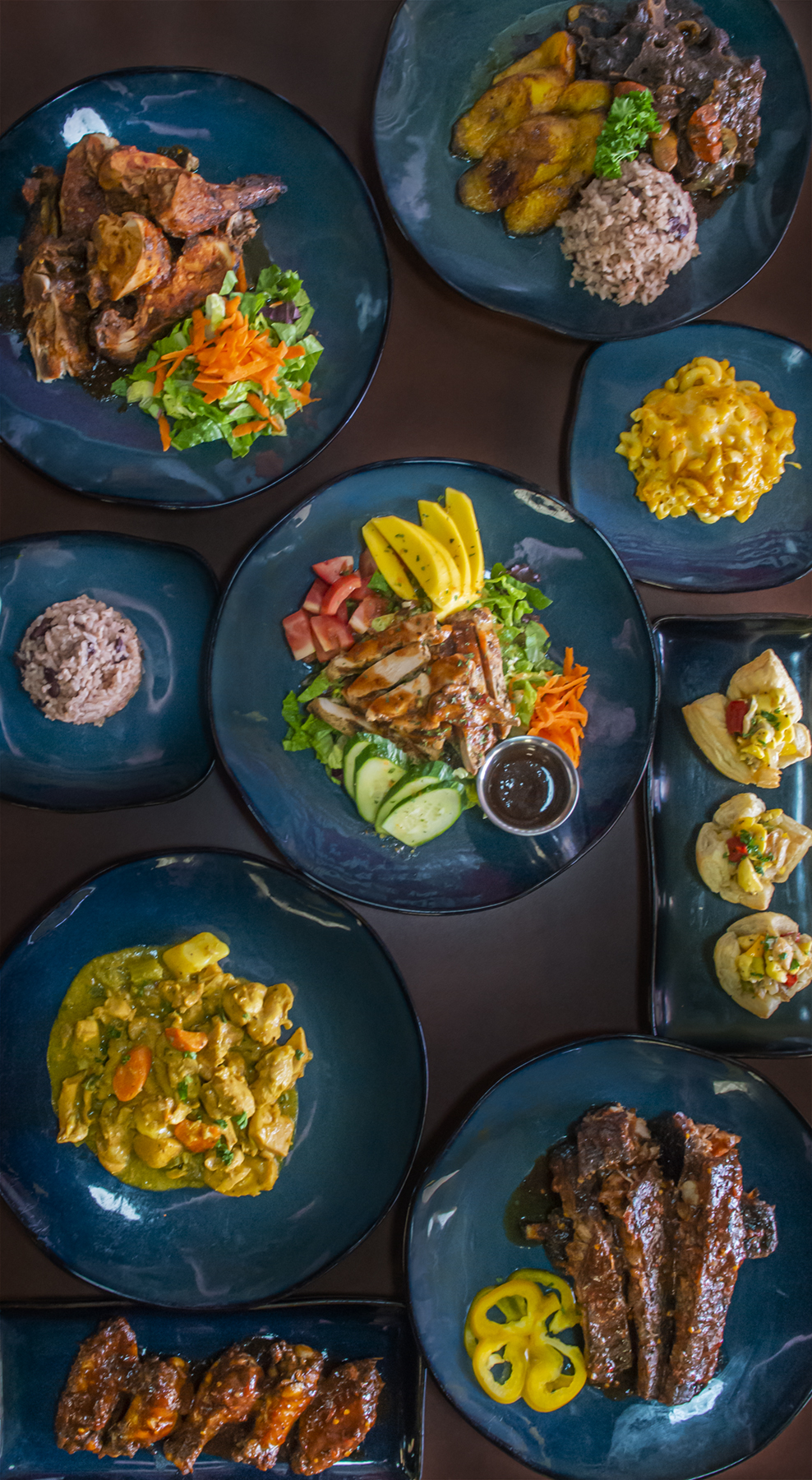
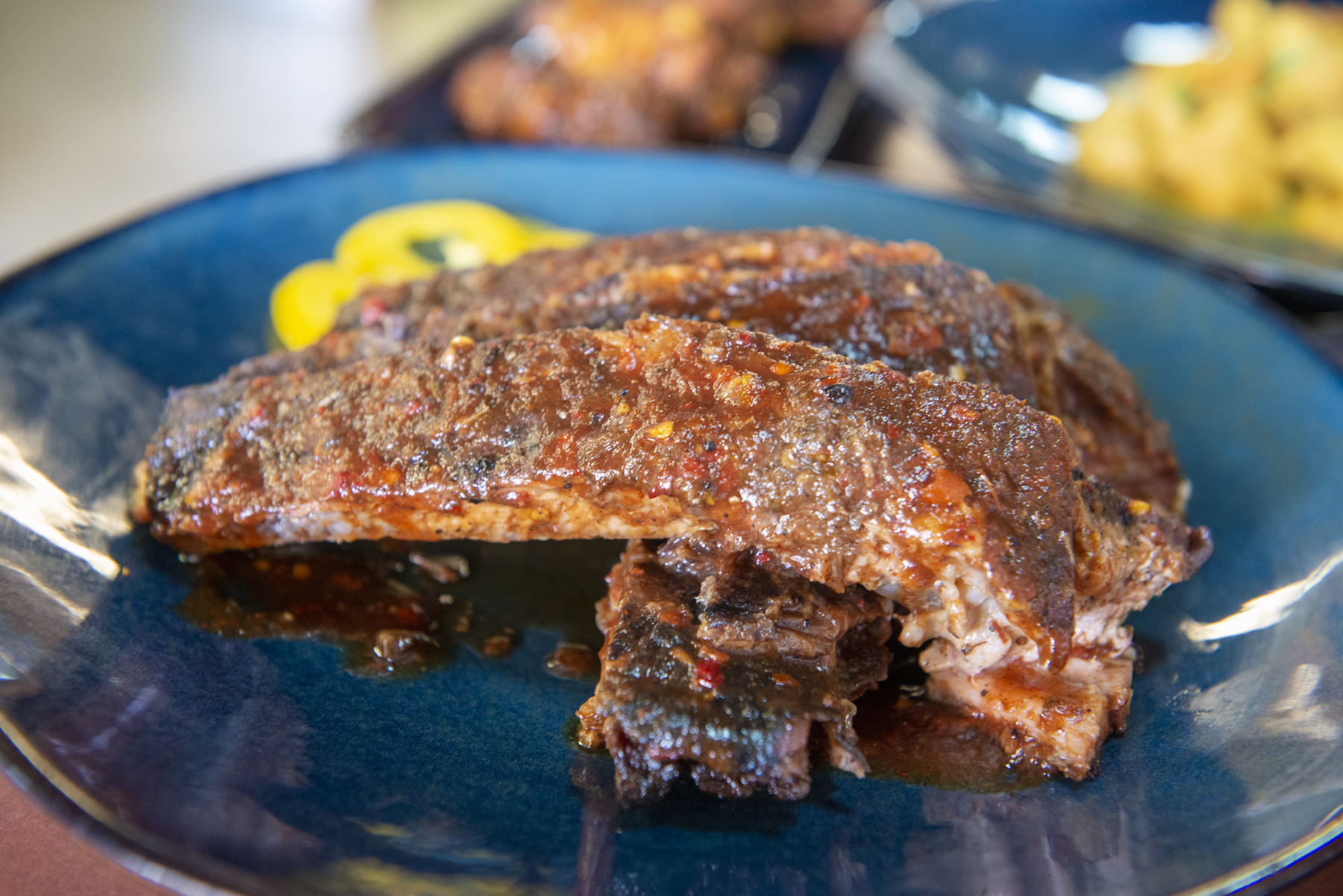
Denver is not the first city most people name when they talk about Caribbean cooking, yet that is part of the appeal. You do not have the noise of a trend cycle telling you where to go. You have to pay attention, ask a few questions, read a room, and order with some confidence. When you do, the reward is serious flavor: allspice and thyme in the air, slow-cooked meats with deep color, rice that carries its own personality, and heat that builds rather than shouts.
If you are searching for jamaican food denver options this week, it helps to know what makes the cuisine distinctive before you start picking a spot. Jamaican food is often described by the marquee dishes, jerk chicken, oxtail, curry goat, patties, but the full experience is broader. A good plate balances fire, sweetness, smoke, tang, and richness. Texture matters just as much. You want chicken skin with some char, gravy that clings instead of puddles, rice and peas that taste seasoned all the way through, and plantains that are caramelized rather than merely soft.
Denver’s dining scene has matured enough that diners now expect regional food to feel specific, not generic. That matters for Jamaican cooking. The difference between a place that understands the cuisine and one that only borrows the names is obvious after a few bites. The real thing is layered. Scotch bonnet heat does not stand alone. It sits beside pimento, ginger, scallion, garlic, thyme, brown sugar, vinegar, and smoke. Even dishes that look straightforward have a lot going on.
What makes a Jamaican meal worth seeking out
The best Jamaican meals rarely arrive as a neat, minimalist plate. They tend to feel generous, aromatic, and built for appetite. That does not mean heavy for the sake of being heavy. It means complete. A proper meal gives you contrast. A forkful of tender braised oxtail gets cut by rice and peas. A little jerk heat meets the cooling edge of cabbage slaw. Fried plantains soften the punch of a spicy sauce. Sorrel or ginger beer can reset your palate and let you start again.
One thing experienced diners notice quickly is that Jamaican cooking rewards patience. Many of the signature dishes come from methods that cannot be rushed. Oxtail needs time for the collagen to break down. Curry goat needs enough heat and enough rest for the spices to move past the surface. Even jerk, which some people reduce to “spicy grilled chicken,” depends on marinade, timing, and a careful relationship with char. Good Jamaican food tastes like someone stayed with it.
That is important in Denver, where altitude and climate can affect cooking in subtle ways. Braises can need adjustment. Grilling behaves differently in dry air. Holding fried items too long can ruin them fast. When you find a kitchen that handles those realities and still turns out soulful, balanced plates, it is worth returning.
How to judge a Jamaican restaurant before you order
You can learn a lot in the first minute. Start with the aroma. If the room smells of fresh spice, grilled meat, and long-cooked gravy, you are in good shape. Then look at what people are actually eating. If regulars are ordering full plates, not just snacks, that is usually a positive sign. Listen for confidence in the person taking orders. A good counter person or server can tell you which dishes are at their peak that day and whether the heat is mild, medium, or truly assertive.
Menus matter, but execution matters more. A short menu can be a strength if the kitchen is focused. Jamaican restaurants often shine brightest when they put their energy into a few core dishes and make them repeatedly, with discipline. I would rather see a menu with jerk chicken, oxtail, curry goat, patties, rice and peas, cabbage, and plantains done well than a sprawling list trying to cover every island and every craving.
Sauce is another tell. If a braised dish arrives with thin, watery gravy, something went wrong. Jamaican gravies should carry flavor and body. They should taste of the meat, aromatics, and browning, not of cornstarch or salt alone. The same goes for rice and peas. This side dish gets underestimated by first-time diners, but it is often the measure of the kitchen. Well-made rice and peas tastes savory, fragrant, and complete on its own.
The dishes that deserve your attention this week
If you only have one meal to explore Jamaican food in Denver, order with range in mind. Get one grilled or smoked item, one braised item, and sides that show the kitchen’s hand.
- Jerk chicken, for smoke, spice, and the most direct read on the marinade
- Oxtail, for depth, tenderness, and gravy quality
- Curry goat, if available, for earthiness and long-cooked spice
- Beef or chicken patties, for a quick benchmark of pastry and filling
- Rice and peas with plantains, because the sides should never be an afterthought
Jerk chicken is usually the first dish people try, and for good reason. When done right, it hits almost every note you want in a Jamaican meal. The exterior should be dark in places, but not burnt into bitterness. The meat should stay juicy. The seasoning should penetrate beyond the skin. A common disappointment is chicken that looks the part but tastes like plain grilled meat with hot sauce added later. Real jerk flavor is built in, not painted on.
Oxtail is where many restaurants reveal their seriousness. This is not a cheap cut and not a quick one. When a place commits to doing it well, you can taste the respect. Good oxtail should yield easily without falling into mush. The sauce should feel glossy and rich, with enough spice to keep the dish from becoming flat. If butter beans are part of the preparation, they should absorb flavor rather than sit there as decoration.
Curry goat is often the sleeper hit. It is less immediately familiar to some diners than jerk chicken, but it can be the most memorable plate on the table. Proper curry goat should taste warm and rounded, not dusty or harsh. Goat has character, and the best kitchens let that character remain while surrounding it with spice and tenderness. If you enjoy lamb shank, short ribs, or slow braises in general, this dish usually lands well.
Patties deserve more respect than they often get. People treat them like an appetizer or a quick lunch item, which they are, but a great patty can tell you almost everything about a restaurant’s standards. The crust should be flaky and sturdy enough to hold the filling. The filling should be well-seasoned, moist, and distinct. If you bite into a patty and taste fresh spice, balanced salt, and a pastry that shatters slightly at the edges, you are likely in capable hands.
Heat, smoke, and sweetness, the balancing act
A lot of diners walk into Jamaican restaurants expecting maximum spice. Sometimes that expectation leads them to miss the point. Jamaican cooking can be hot, certainly, but heat is rarely the whole story. The best cooks know that sweetness and acidity are just as important. Brown sugar or natural caramelization rounds the edges. Vinegar or citrus brings lift. Onion and scallion add sweetness of another kind. Scotch bonnet peppers supply fruitiness along with heat.
That balance is one reason jerk has such staying power. It does not flatten the palate. You get smoke first, then spice, then herbs, then a lingering warmth. A strong jerk plate keeps changing as you eat it. The same is true for a good sorrel drink. It might lead with tart hibiscus notes, then move into clove, ginger, and sweetness. Taken together, the meal feels deliberate rather than loud.
For diners in Denver who are used to green chile, smoked barbecue, or bold Mexican and Ethiopian food, Jamaican cooking often feels familiar in spirit while still offering something distinct. It understands spice as structure, not as novelty. It understands slow cooking. It knows how to build a full plate around one central protein and a few well-made companions.
How to find the right spot in Denver
Because the Jamaican scene in Denver is not as large as in cities with longer Caribbean dining histories, finding the right place sometimes takes more judgment than simply picking the highest-rated result. Reviews help, but they can be misleading. A diner may give five stars because the portions are huge, while another may complain because the jerk was spicier than expected. Neither tells you enough on its own.
This week, focus on freshness, consistency, and specialization. Look for photos that show dark, charred edges on jerk, richly colored gravies, and sides that appear cooked with care. Scan recent comments for details rather than generic praise. If several people mention tender oxtail, flavorful rice and peas, and housemade patties, that is useful. If reviews keep circling back to one dish and ignoring everything else, the restaurant may be uneven.
Timing also matters. Busy lunch service can be great for turnover, especially for patties and jerk. Dinner can be better for braised dishes that have had time to settle into themselves. Weekend service often brings stronger energy and a fuller menu, but it can also mean longer waits or earlier sellouts. Jamaican food is often at its best when the kitchen cooks what it knows it can finish well. If oxtail sells out by evening, that is not always bad news. It often means people know what to get.
If you call ahead, ask a practical question instead of fishing for a sales pitch. Ask what is strongest today. Ask whether the jerk is cooked over open flame or finished another way. Ask if the curry goat is bone-in. The answers will tell you a lot. Kitchens that care usually answer plainly and with pride.
What to order if you are new to Jamaican food
A first meal should give you a broad read on the cuisine without overwhelming you. Start with one familiar point and one stretch choice. For many people, that means jerk chicken and a patty, with rice and peas, cabbage, and plantains on the side. That combination covers smoke, spice, starch, sweetness, and crunch.
If you like rich comfort food, skip straight to oxtail. It is expensive at most restaurants for obvious reasons, but when it is done well, it justifies the price. If you love curries but have only had South Asian or Thai versions, curry goat is a smart order because it shows how Jamaican curry has its own identity, warmer and often more savory-forward than many diners expect.
A common beginner mistake is to over-order spicy sauces before tasting the food. Taste first. Good Jamaican cooking should already be seasoned with intention. Add heat if you want more lift, but do not drown the plate. Another mistake is skipping the sides. Rice and peas, fried plantains, and cabbage are not filler. They are part of the architecture of the meal.
Drinks and sides that elevate the meal
A lot of restaurant writeups spend all their time on the proteins, but Jamaican sides and drinks are where the meal becomes memorable. Rice and peas should be fragrant and softly firm, not mushy. Plantains should have those browned edges that signal natural sugars have had time to deepen. Cabbage can be simple, but simple is not the same as bland. Properly cooked cabbage adds freshness and a little bite, which matters when the main dishes are rich.
For drinks, ginger beer is the safest crowd-pleaser, though “safe” undersells it. A good version carries real ginger sting and enough sweetness to keep it drinkable with spicy food. Sorrel is more distinctive, tart and spiced, and worth ordering whenever you see it. If a restaurant makes fresh juices, ask what is housemade that day. Freshness shows up quickly in Caribbean beverages.
Dessert, when available, can be worth a look. Rum cake and sweet potato pudding each have their place, though not every kitchen offers them daily. I usually tell people not to force dessert after a large Jamaican meal unless something looks clearly housemade. A meal this satisfying does not need a token ending.
A few practical tips for this week’s visit
- Go earlier if you want oxtail or curry goat, since popular braises can sell out
- Ask what was cooked that day, not just what is printed on the menu
- Order at least one side beyond rice, usually plantains or cabbage
- Expect some variation in heat, because scotch bonnet peppers are not identical batch to batch
- Reheat leftovers gently, especially jerk chicken, which dries out fast under harsh heat
Those details sound small, but they make a real difference. I have seen diners write off a restaurant because they arrived late and ordered the one dish that had been sitting too long. I have also seen the reverse, where someone walked in at peak service, got a fresh tray of jerk, and wondered why more people were not talking about the place. Timing shapes perception.
Why Denver diners have taken to Jamaican flavors
Denver has a strong appetite for food with backbone. You see it in the city’s affection for smoked meats, spicy stews, rich breakfast burritos, and cuisines that do not apologize for seasoning. Jamaican food fits that appetite well. It offers comfort without monotony. It is hearty, but not dull. It can be casual enough for a quick lunch and substantial enough for a dinner that feels like an occasion.
There is also something refreshing about how direct the food is. Jamaican cooking does not need elaborate plating or precious language to make its case. A tray or plate arrives and the aromas do the talking. You smell allspice, smoke, curry, sweet onions, ginger. The visual cues matter too: dark jerk bark, golden patty pastry, reddish gravy, glossy plantains. Before you even take a bite, you know whether care was involved.
For Denver eaters who enjoy exploring neighborhoods and small independent restaurants, Jamaican spots often provide exactly the kind of meal people say they want more of, food with identity, hospitality, and a point of view. You may not have a dozen choices in every part of the metro, but the places that do it well tend to inspire loyalty. That loyalty is usually earned through consistency, not hype.
Making the most of your search for jamaican food denver
If your goal this week is not just to eat, but to eat well, approach Jamaican food with curiosity and a little patience. Do not chase the broadest menu or the flashiest social post. Chase the place where the rice tastes like someone cared, where the jerk has smoke in its bones, and where the braises taste as though they were given the time they asked for.
A strong Jamaican meal in Denver should leave your hands a little sticky, your palate warmed but not wrecked, and your table quieter than when the food arrived. That is usually the real test. People stop talking when the cooking is right. They lean in, trade bites, order another patty to take home, and make a note to come back earlier next time so the oxtail is still available.
That is https://www.behance.net/reggaepotdenver the sweet spot for jamaican food denver diners should be seeking this week. Not a novelty. Not a checklist item. A meal with depth, confidence, and enough soul to hold its own in a city that increasingly knows the difference.
Reggae Pot Jamaican Grill
Address: 2243 S Monaco St Pkwy #104, Denver, CO 80222
Phone number: +17204102956
FAQ About Jamaican Food Denver
What is typical Jamaican food?
Typical Jamaican food features bold, vibrant flavors created by blending African, Taino, European, and Asian influences.
What is a famous Jamaican dish?
Ackee and saltfish is Jamaica's national dish, made by sautéing the soft local ackee fruit with salted cod, onions, tomatoes, and spicy Scotch bonnet peppers.
What food is most popular in Jamaica?
The most popular and famous food in Jamaica is Jerk Chicken, celebrated worldwide for its smoky, spicy flavor.